Private label
A suitable existing platform with distinctive materials, color, branding and packaging can shorten the learning cycle.

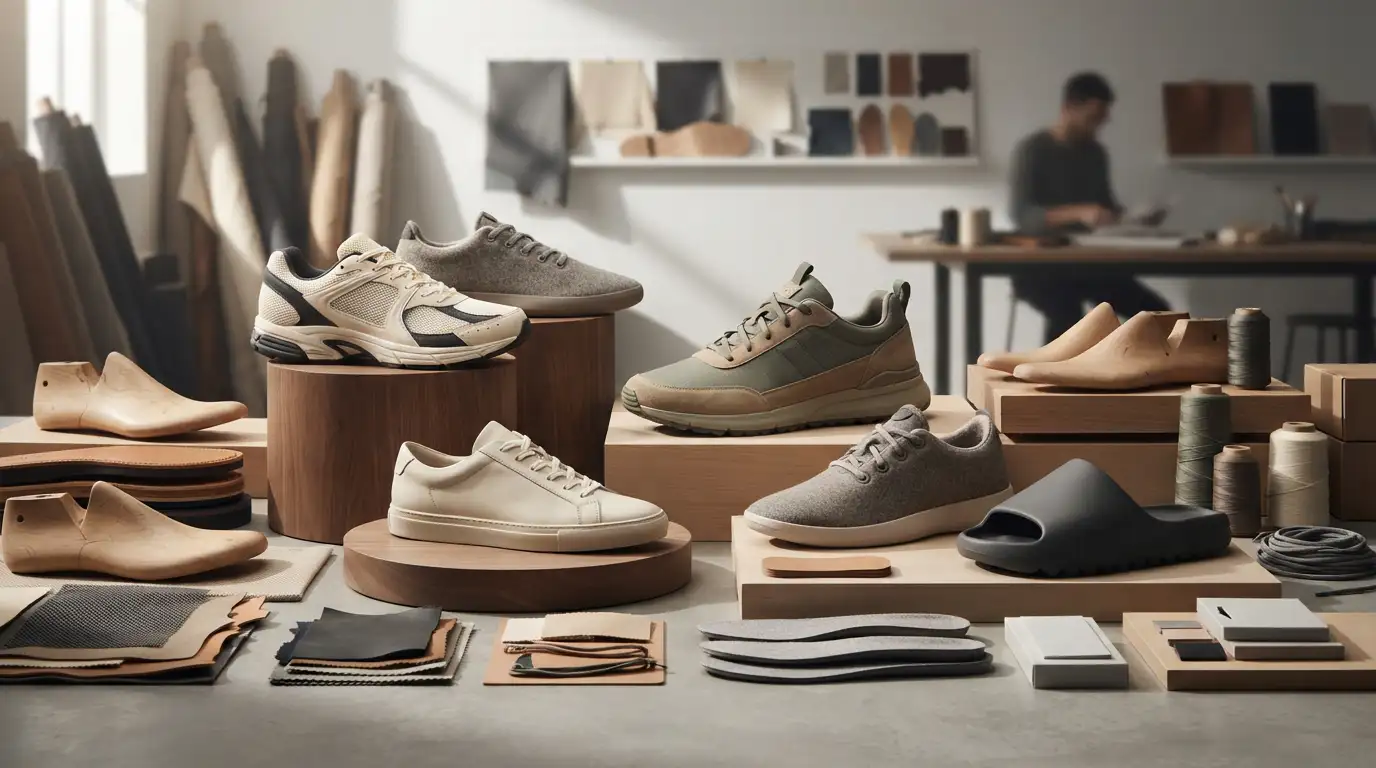
A first collection must prove product-market fit without ignoring the realities of materials, minimums, sampling and quality. Shoetec helps founders choose a development route proportionate to the concept and budget.
Project snapshot
A startup shoe brand does not need every option. It needs one defendable product, a realistic first-order structure and enough evidence to decide whether to continue. Shoetec helps narrow choices before money is committed to tooling, materials or multiple sample rounds.
Before we quote
Not every brand needs new tooling in its first season. The right route depends on where differentiation creates customer value.
A suitable existing platform with distinctive materials, color, branding and packaging can shorten the learning cycle.
Use a market and consumer brief when you need supplier-supported product design before technical specifications exist.
Use detailed development when proprietary fit, construction, performance or brand-owned design is central to the proposition.
From brief to bulk
The aim is to learn enough at each step before increasing financial commitment.
Define customer, problem, route to market, target retail and credible demand evidence.
Compare private label, ODM, OEM and custom options for differentiation, timing and investment.
Set product requirements, forecast, target cost, size range, packaging and destination market.
Develop the smallest useful range and capture fit, function and customer feedback.
Confirm compliance, production specification, funding, purchase quantity and delivery assumptions.
Track quality, sell-through, returns and fit comments to inform replenishment and version two.
Launch discipline
Founders often commit to packaging, marketing or broad assortments before fit, cost and manufacturability are stable. Product risk should be reduced first.
The fastest way to overspend
Too many styles, colors and custom parts spread a small first order across material minimums and slow every approval. Prove the hero product first.
Footwear for startup brands
Launching a shoe brand involves more than selecting a design. Shoetec helps founders organize product positioning, development choices, estimated costs and production requirements before committing to an order.
Discuss Your Startup ProjectDefine the target customer, intended use, key product benefit, price position and essential styles before expanding the range.
An existing footwear platform, a modified design or a fully custom product can require different investment, tooling, sampling and development time.
Consider samples, materials, tooling, branding, packaging, testing and shipping alongside the unit price and expected order quantity.
Allow time for product refinement, material confirmation, production and logistics before setting campaign, retail or crowdfunding dates.
Development route, sample cost, footwear manufacturing MOQ, tooling requirements and lead time vary by product category, materials, customization level and factory conditions. These details are evaluated for each startup footwear project.
Questions buyers ask
Some will when the project is credible, funded and aligned with their order profile. A concise brief and decision discipline improve the conversation.
A carefully selected private-label platform usually reduces technical development, but the choice must still fit the customer, channel and brand promise.
There is no universal number. Each additional style, color and size increases development, material and inventory complexity, so begin with evidence-based demand.
Confidentiality can be discussed, but the terms, parties and protected information must be reviewed and agreed before sensitive files are exchanged.
Share your customer, concept, budget range, target retail, launch market and demand evidence. We can help identify a proportionate product-development route.